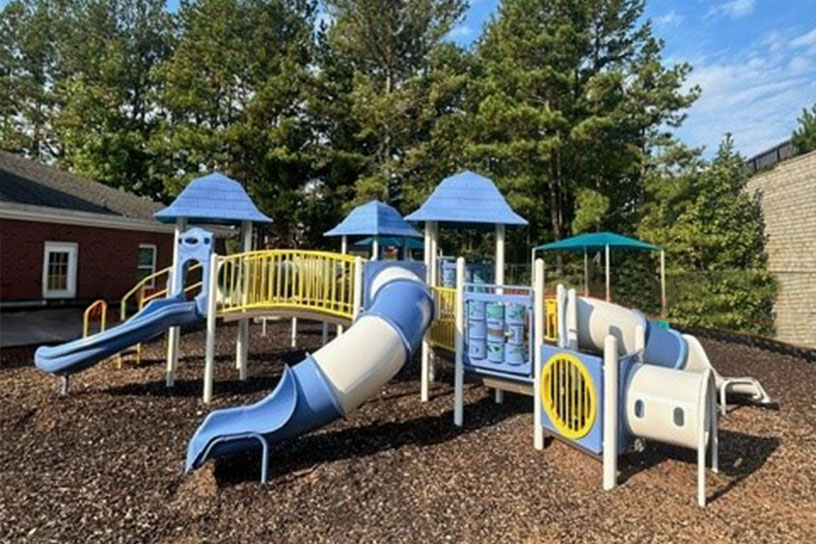
Playgrounds provide children with a space for imaginative play, physical activity, and social interaction. While they are designed to be fun, safety is a critical consideration in their design, especially when it comes to playground surfaces. Proper surfacing can help prevent serious injuries, especially head injuries, in case of falls. Two key ASTM (American Society for Testing and Materials) standards that guide playground surface safety are ASTM F1292 and ASTM F2075. These standards are designed to ensure that playground surfaces reduce the risk of injuries while maintaining a safe and enjoyable play environment.
The Importance of Testing Playground Surfaces
According to the Centers for Disease Control and Prevention (CDC), falls to surfaces account for over 75% of all playground-related injuries. The most effective way to mitigate the risk of severe injury from falls is by installing appropriate and compliant playground surfacing. Surfaces under and around playground equipment must be designed to cushion falls and meet critical impact-attenuation standards. This is where ASTM F1292 and ASTM F2075 come into play.
ASTM F1292: Impact Attenuation of Playground Surfaces
ASTM F1292 is the standard specification for impact attenuation of surfacing materials within playground areas. In simpler terms, this standard measures the surface's ability to absorb impact and reduce the risk of serious injury during a fall. Impact attenuation refers to how well a surface can absorb energy and cushion a child’s fall, reducing the likelihood of severe injuries like concussions or fractures.
How ASTM F1292 Works
The ASTM F1292 standard specifically tests the ability of a surface to cushion falls from playground equipment, measuring the critical fall height that a surface can safely support. The critical fall height is the maximum height from which a fall would result in an acceptable level of impact force on the surface.
The test involves dropping an instrumented metal headform (a device shaped like a human head) from various heights onto the playground surface and measuring the G-max and Head Injury Criterion (HIC). The G-max measures the maximum deceleration of the headform on impact, while the HIC evaluates the potential for head injuries. To comply with ASTM F1292, playground surfaces must have a G-max of no more than 200 and an HIC of no more than 1,000. To get a better understanding of what Safety Surface Testing looks like, take a look at our video here.
Why It’s Important
ASTM F1292 helps ensure that playground surfaces provide adequate protection, particularly from serious head injuries. It also allows for consistent testing across different materials, whether using loose-fill materials like wood chips or engineered wood fiber, or unitary surfaces like rubber tiles and poured-in-place surfacing. Playground designers and operators must ensure that their surfaces meet ASTM F1292 to guarantee child safety in the event of falls.
ASTM F2075: Specification for Engineered Wood Fiber
ASTM F2075 is a standard that specifically addresses engineered wood fiber (EWF) used in playground surfacing. EWF is one of the most commonly used loose-fill materials for playgrounds because of its affordability and impact-absorbing properties. ASTM F2075 establishes the requirements for EWF to ensure it provides adequate impact attenuation and is free from hazardous materials.
How ASTM F2075 Works
ASTM F2075 outlines three main performance criteria for engineered wood fiber used in playgrounds:
- Particle Size: EWF must meet specific size requirements to ensure its effectiveness as a playground surface. The wood fibers need to be large enough to provide impact attenuation but not so small that they compact and lose cushioning ability.
- Tramp Metal Content: EWF must be free from dangerous tramp metal (e.g., nails, screws, or staples). ASTM F2075 specifies that the material should undergo testing to ensure it is free from metal contaminants that could pose safety risks.
- Composition and Purity: The standard ensures that the EWF is made from natural wood and contains no harmful chemicals or substances that could compromise safety or environmental health.
Why It’s Important
ASTM F2075 ensures that engineered wood fiber is a safe and effective playground surface material. It not only addresses the material's impact-absorbing properties but also ensures that it is free from potentially harmful contaminants, making it a reliable choice for playground surfacing.
Combining ASTM F1292 and ASTM F2075 for Comprehensive Safety
While ASTM F1292 focuses on the surface’s ability to absorb impact and reduce injury risk, ASTM F2075 ensures that engineered wood fiber materials meet specific safety and performance standards. Together, these standards provide a comprehensive framework for evaluating and maintaining playground surfaces.
To ensure full compliance with ASTM standards, regular maintenance and testing of playground surfaces are essential. Over time, materials like EWF can break down or compact, reducing their effectiveness. Playground operators should regularly inspect surfaces to ensure they meet the critical fall height requirements and maintain their protective qualities. To schedule a consultation with our team, call (877) 984-0418 or click the link!